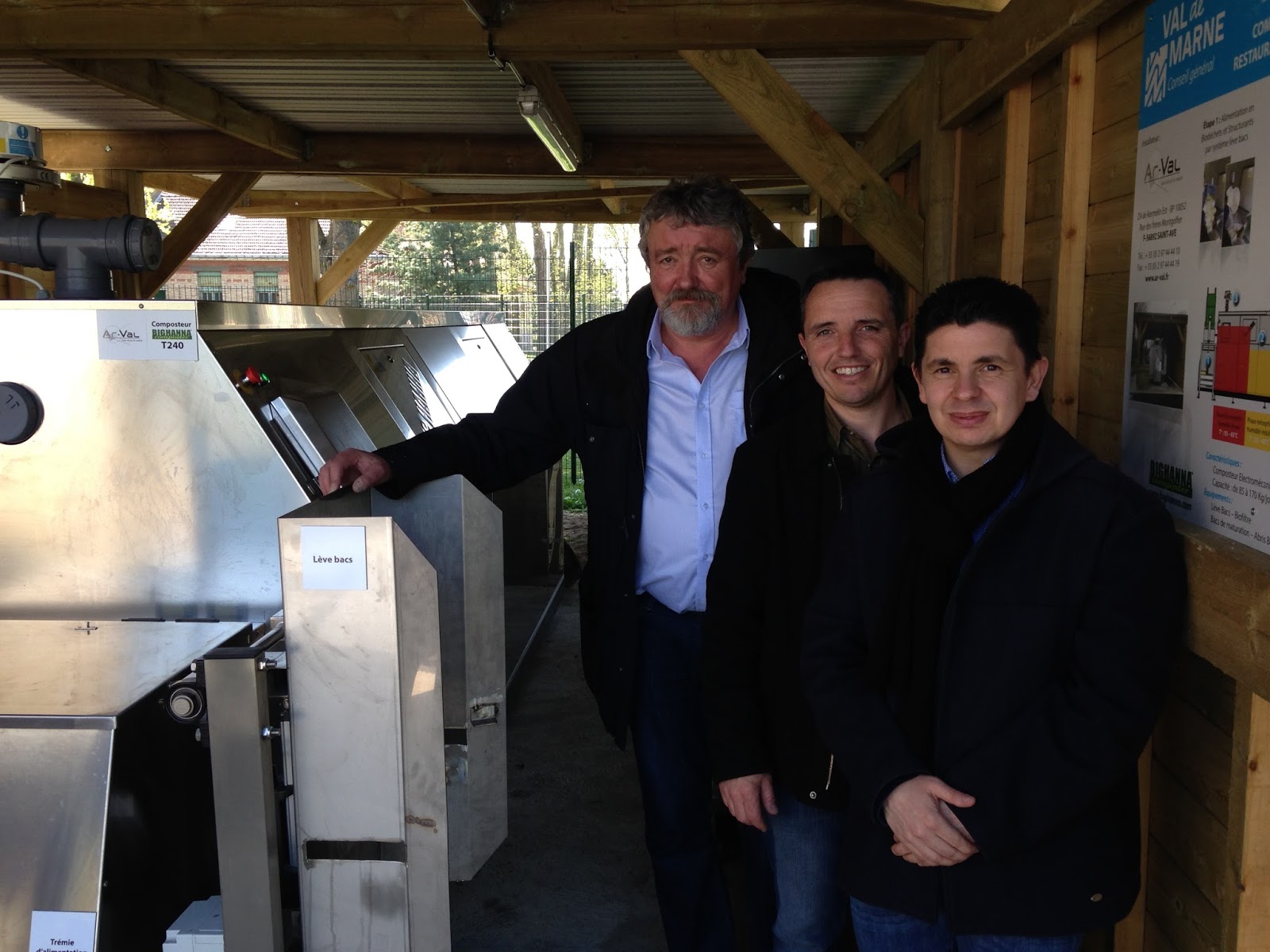
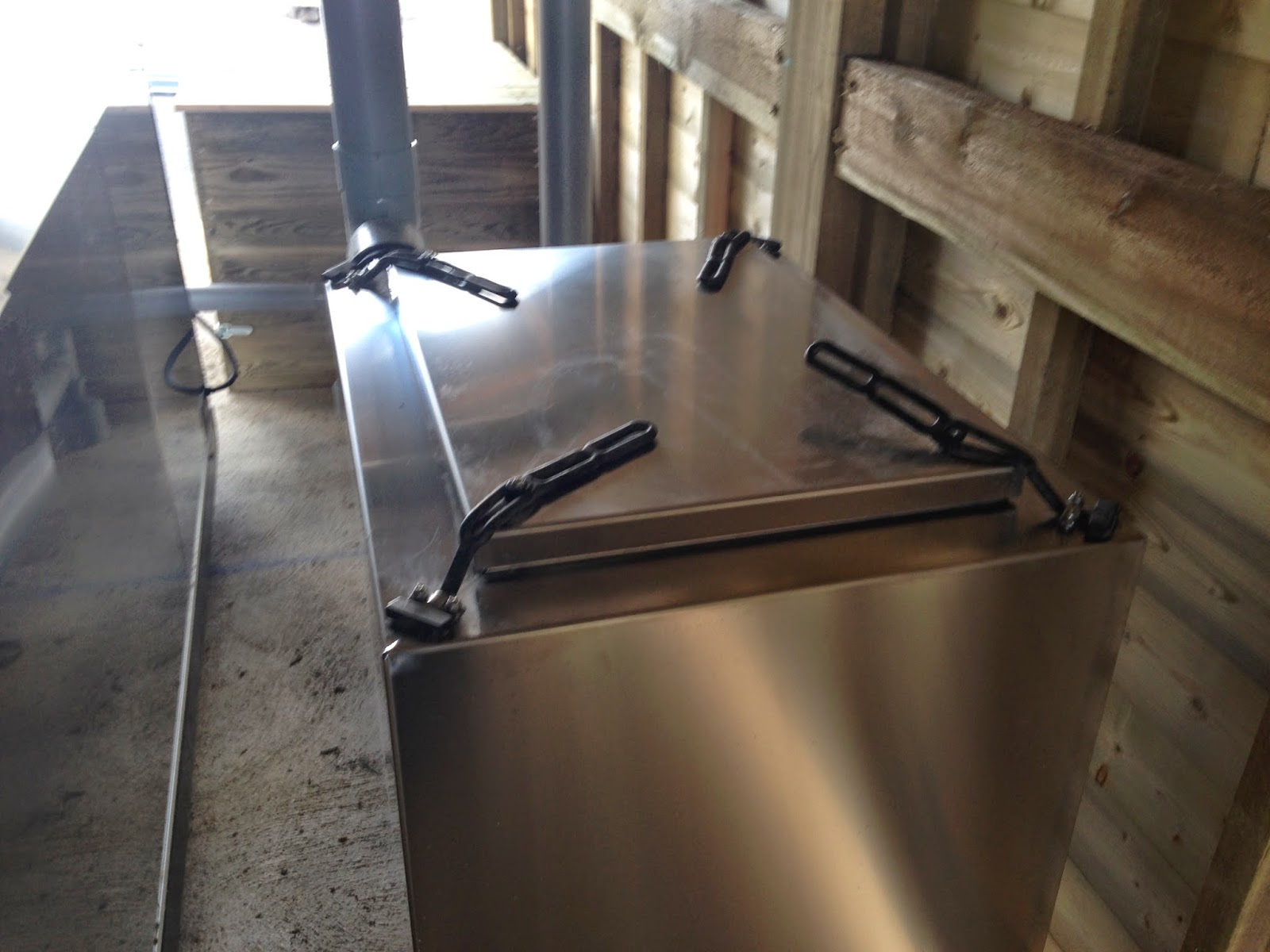
The General Council of Val de Marne installs a Big Hanna Composter on its site Chérioux in France
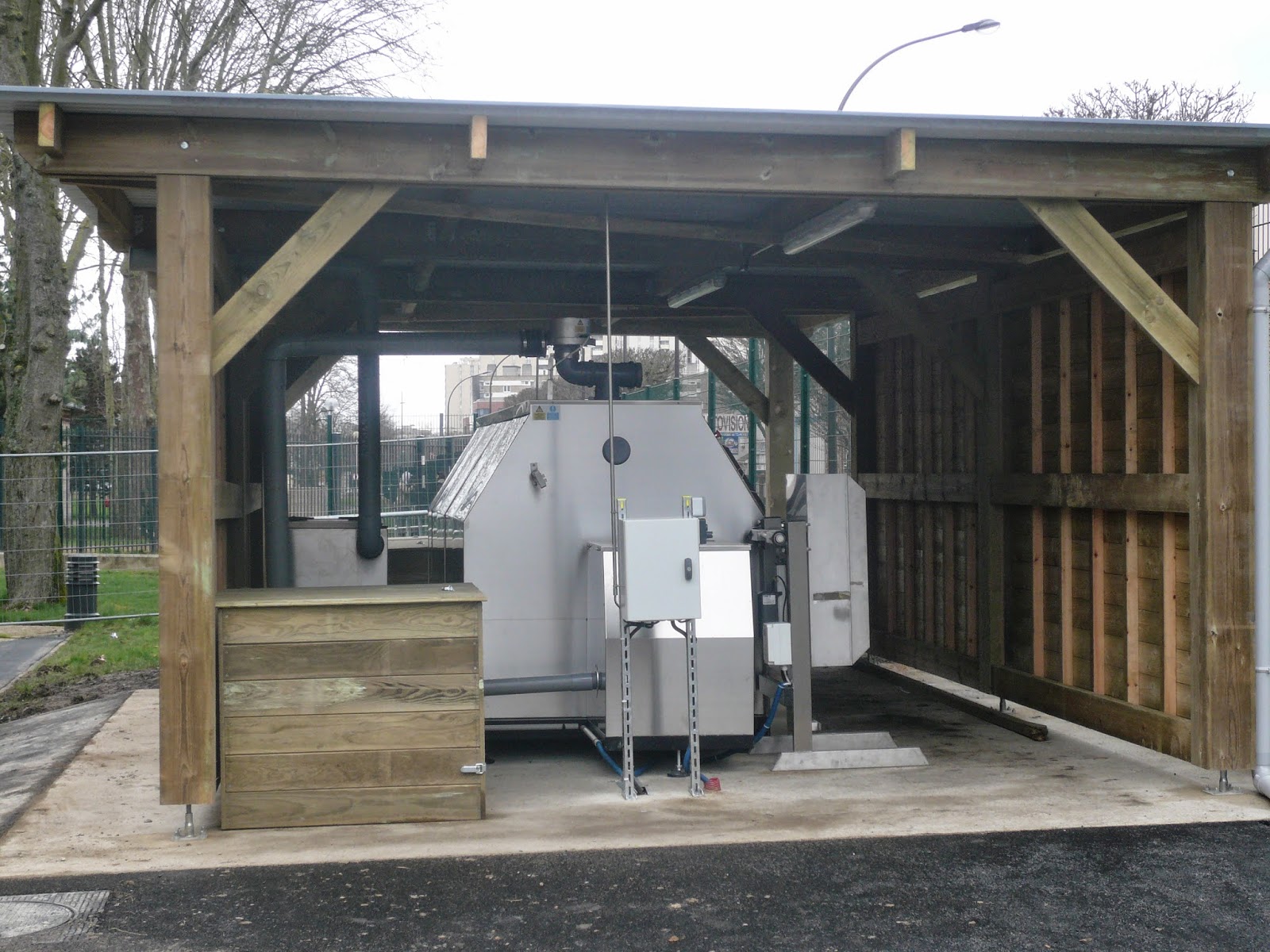
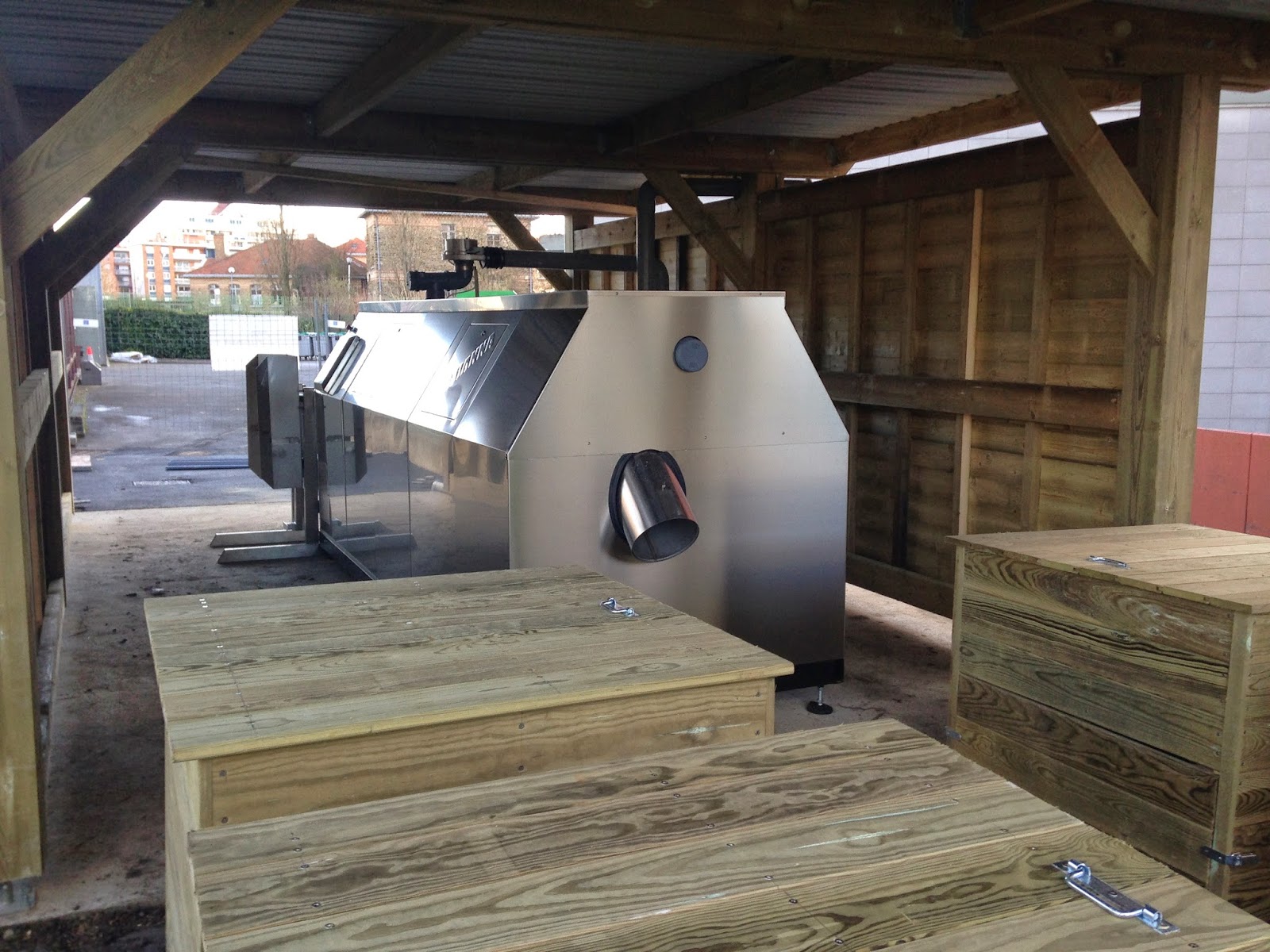
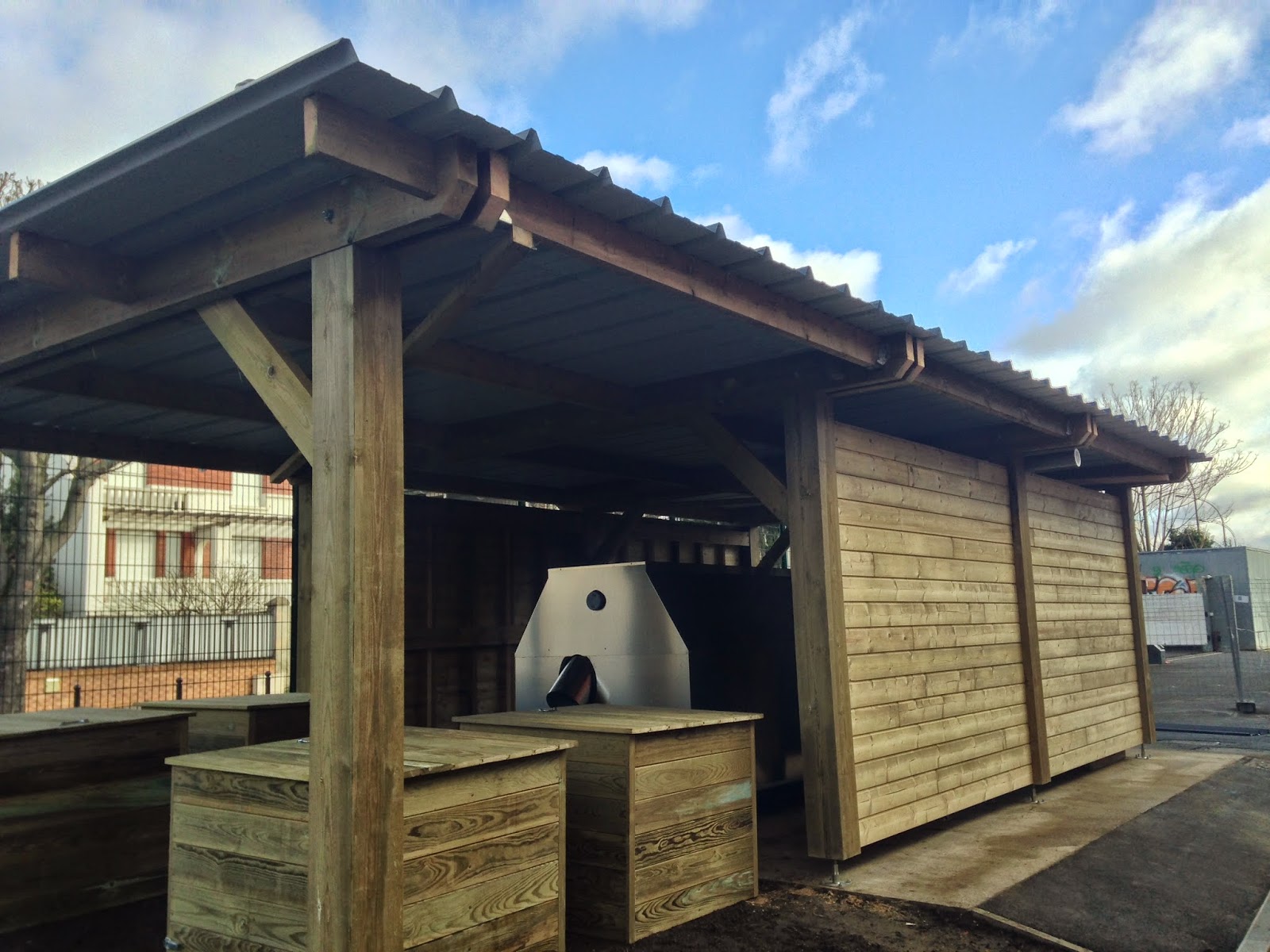
The Collège Adolphe Chérioux de Vitry-sur-Seine works towards a sustainable development and is now introducing a food waste management system by installing the BIG HANNA Composter model T240. This is something completely new to the Val-de-Marne region!

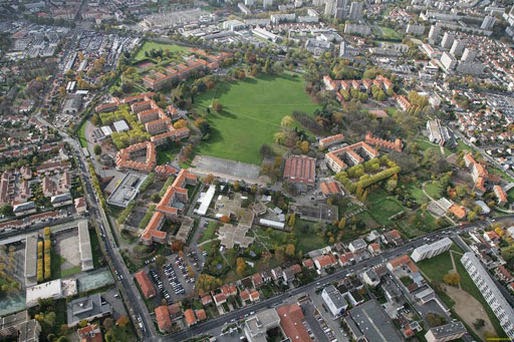
The area Chérioux is just over 36 hectares, with a large patch of grassy space in the middle and more than 1500 trees. It is located between four municipalities: Vitry-sur-Seine, Villejuif, L’Hay-les-Roses and Chevilly-Larue.

The former educational complex was founded in the 1930’s and was originally used as an orphanage.

Today an average of over 4000 people per day is visiting Chérioux. It hosts many institutions, mainly within the General Council and the National Education: Center of education for secondary schools and university, pre-schools, small and medium sized companies, student hostel’s, cultural associations….

There are four stations within the area where the organic waste (mainly food waste) is separated from the other waste. The installation of this new system will allow the canteen to recycle some of its waste by creating its own compost and they will thereby respect the law ‘Grenelle II Act’ – organic waste management.

The on-site solution for the organic waste stream is considered a cultural revolution for the county’s facility at Adolphe Chérioux. The project was made possible thanks to the involvement of the staff.

The idea is that every student will be made responsible for their own waste and by participating in making compost they will be committed to the project. This will make the students use to sorting waste at the high school and the hope is that they will do this at home too. Long term, the Department of Val-de-Marne would like to implement the same concept at other schools.
For more information about Big Hanna in France – contact our distributor.